
Source: La Crónica
Berlin Freedom Week is not just a reminder of the 1989 Peaceful Revolution and the fall of the iron curtain, but a platform for urgent action against contemporary tyrannies.
From November 7 to 14, the German capital will host the second edition of the Berlin Freedom Week, an event of great international significance that commemorates the 37th anniversary of the fall of the Berlin Wall. With more than 150 events spread throughout the city, the German metropolis once again stands as the global epicenter of the debate on democracy, human rights and the fight against authoritarian regimes.
Under the sponsorship of the mayor and governor of Berlin, Kai Wegner, this appointment is consolidated after the resounding success of last year, a milestone that has already been thoroughly analyzed and reflected in the pages of LA CRÓNICA, one of the widely counted Spanish media present. Its development was widely recorded in the chronicles and reports signed by Augusto González Pradillo.
A bridge between historical legacy and global challenges
Berlin Freedom Week is not just a reminder of the 1989 Peaceful Revolution and the fall of the iron curtain, but a platform for urgent action against contemporary tyrannies. As González Pradillo already pointed out in a report on the German capital from LA CRÓNICA in 2024, Berlin has a unique story behind it that makes it the ideal setting to reflect on what it means to live in freedom.
From the autumn walks through historical enclaves to the most evocative corners of the city – as the author himself recalled in his reports on the wall, the Humboldt Forum or the November walks – the entire city becomes a classroom open to memory and civility.
World-class major summits and speakers
This year’s program stands out for the magnitude of its key events:
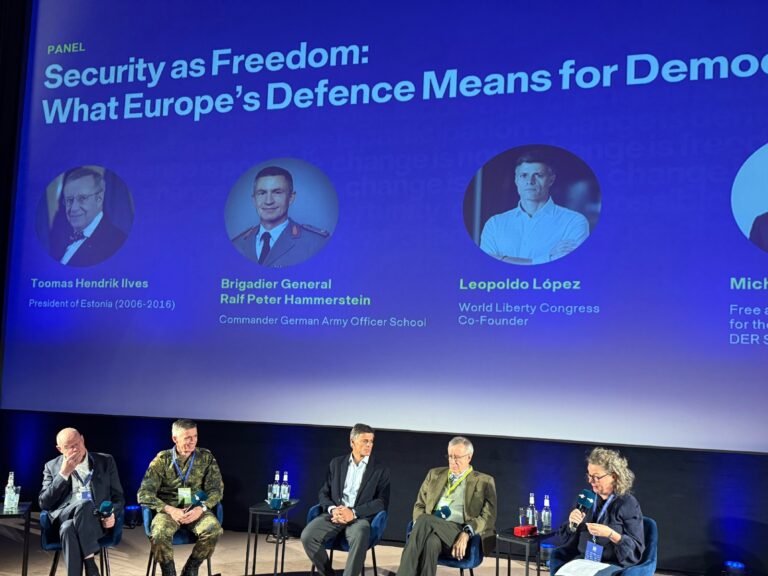
- Berlin Freedom Conference (November 10, Colosseum cinema): Under the slogan “Change is possible“, this conference will bring together political leaders, economists, artists and activists. Among the most prominent speakers are former world chess champion and Kremlin critic Garry Kasparov, American historian Anne Applebaum, former Estonian President Toomas Hendrik Ilves, security expert Dr. Claudia Major, Josephine Ballon (HateAid) and Venezuelan opposition politician Leopoldo López (who has already collaborated closely in the dissemination of this week’s values in previous editions). The inauguration will be in charge of the former East German civil rights activist Marianne Birthler.
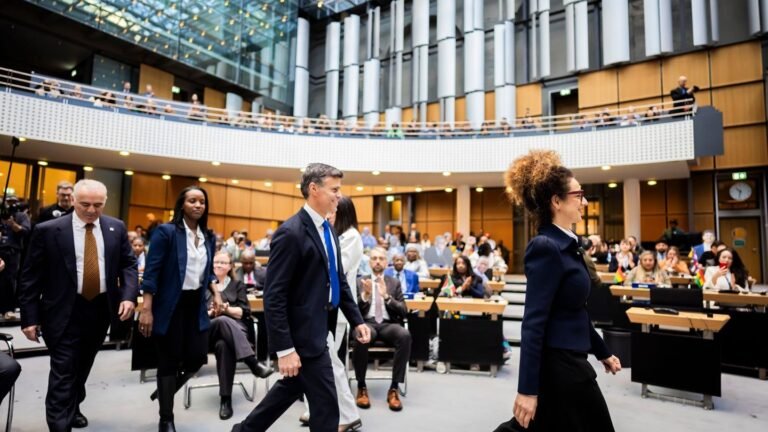
- Freedom and Security Women Summit (November 9, German Bundestag): A summit focused on the role of women in the face of oppression, co-organized by figures such as Evelyn Zupke and supported by international leaders such as Belarusian opposition leader Svetlana Tikhanouskaya, Iranian-American activist Masih Alinejad and Afghan technology entrepreneur Roya Mahboob.
- “Stories of Freedom” (November 11): International documentary film exhibition at the Colosseum cinema, which will address stories of resistance to injustice, including the struggle of LGBTQ+ soldiers in Ukraine and the work of Syrian researchers against war crimes.
Berlin through the eyes of THE CHRONICLE: Memory, art and travel
The connection of this event with the in-depth journalism that LA CRÓNICA flags highlights the importance of understanding Berlin beyond tourist topics.
In his previous installments on the German capital, Augusto González Pradillo has been able to guide the reader through essential routes:
- The footprint of the Wall and living history: In his reports on how to enter the Berlin memory beyond the trade routes, Pradillo highlighted the usefulness of tools such as the ABOUT BERLIN app from visitBerlin and the wealth of spaces such as the Palast Berlin or the urban routes that connect the communist past with the current effervescence.
- Cultural treasures and urban transformation: From the opening and deep citizen debate around the imposing Humboldt Forum to less crowded jewels such as the Gemäldegalerie – with its memorable masterpieces by Vermeer – THE CHRONICLE has portrayed a city in constant reinvention.
- Freedom as a lifestyle: With memorable reflections on the daily pulse of Berliners, local gastronomy away from stereotypes and the atauntal walks that touch the intimate history of Germany, González Pradillo’s articles have shown why Berlin is, par excellence, the refuge of freedoms in Europe.
Open activities and citizen participation
In addition to the keynote lectures, the week we are now dealing with will offer more than 150 events open to the public and citizens:
- Routes and performances: From the dance work “BEYOND LINES” by LUNA PARK in the Tränenpalast (Palace of Tears) to guided tours of the historic escape tunnels organized by Berliner Unterwelten e. V.
- Debates and historical memory: Encounters such as “Between Two Dictatorships” with Holocaust survivor Boris Sabarko or the round table on the missed opportunities of 1989 at the Humboldt Forum.
- Social cohesion spaces: The street market “Taiwan Night Market” in Markthalle Neun and the emotional family workshop of writing letters to political prisoners in Russia.
Practical data to follow the event
The initiative has the joint support of the Axel Springer Freedom Foundation, the Berlin Freedom Society, the Robert Havemann Society, the World Liberty Congress and visitBerlin, in addition to the institutional support of the Berlin Senate Foreign Ministry.
All the detailed programming, ticket sales and accreditation processes for the press (whose official opening will be on November 6) are available on the official portals berlin-freedom-week.com and berlin-freedom-conference.com.