
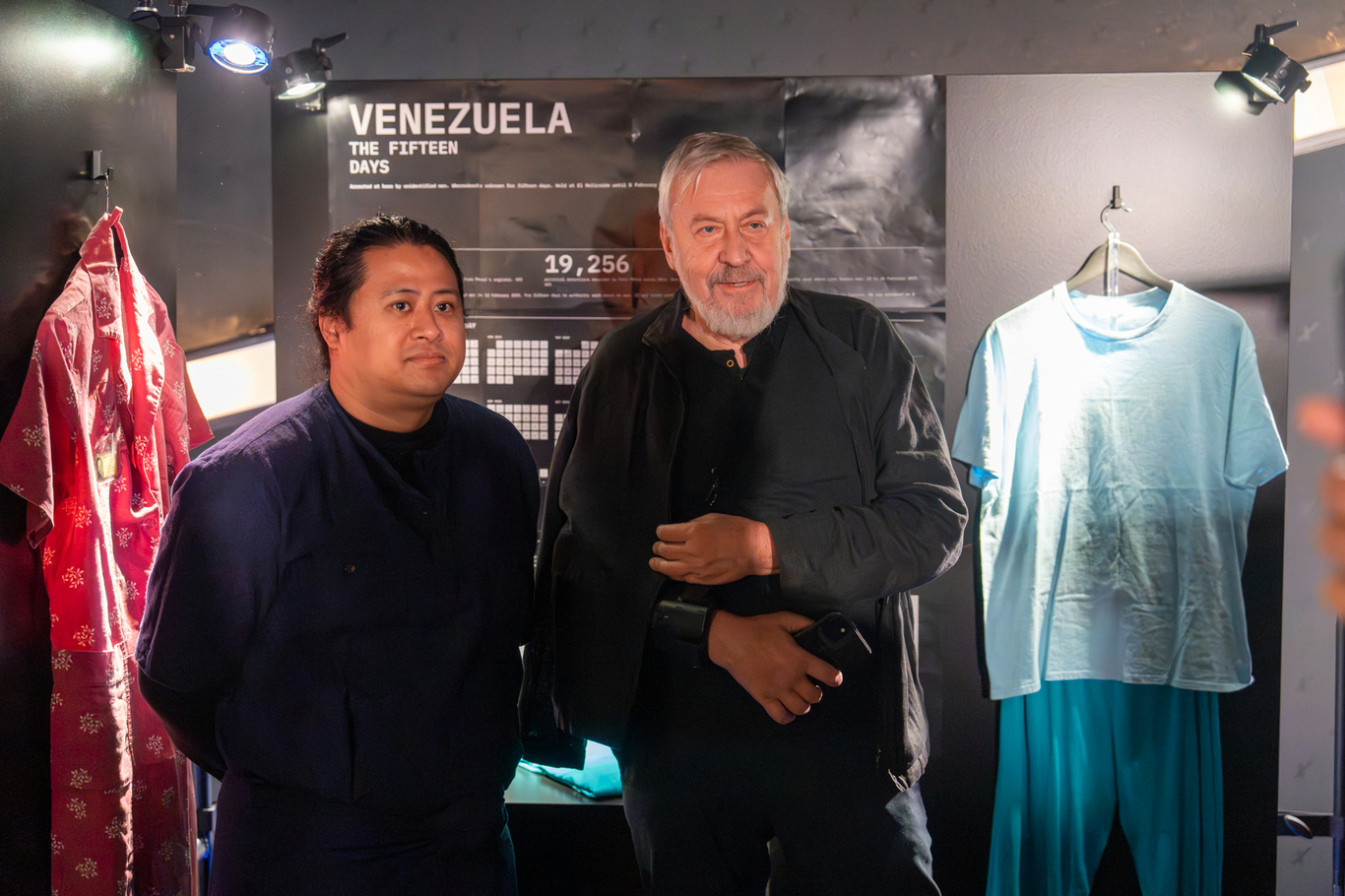
An unusual exhibition was held in Berlin. Exhibits – robes of political prisoners from different countries.
Source: Novaya Gazeta Europe
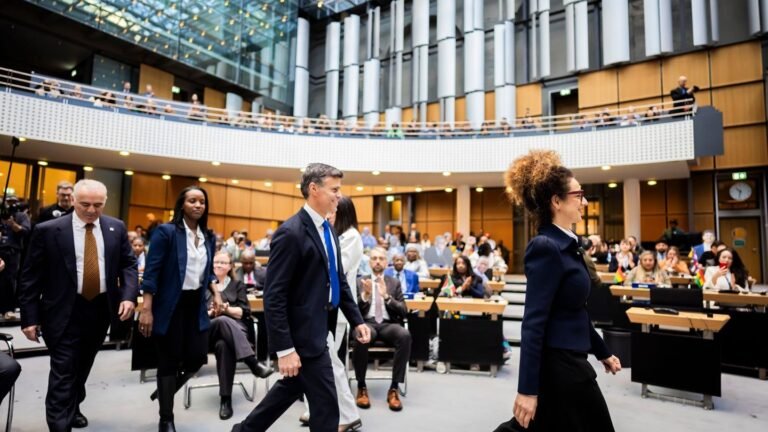
Berlin Freedom Week, timed to the next anniversary of the fall of the wall, opened with an exhibition of prison robes “Conscience in Prison Robes”. It sounds like an oxymoron: a week of freedom, and an exhibition of symbols of lack of freedom. But those who wore these robes are dissidents from different countries, freedom fighters who went through prisons, torture, prisons, isolation. These are their robes taken out of prisons. By wearing these robes, they paid for their desire for freedom.
Each prison robe is the story of a political prisoner. The organizers of the exhibition – the World Liberty Congress, an international movement of political activists – gathered them together with the stories of politicians. There were supposed to be ten exhibits at the exhibition, but they could not be taken out from three countries – Uganda, Iran and Cameroon. As a result, there were seven exhibits: prison robes from Venezuela, Belarus, Cuba, Cambodia, Tibet, Vietnam, Myanmar. Among the exhibits is a poisonous pink flower dress of Belarusian activist Polina Sharendo-Panasyuk, the one who called herself not a prisoner, but a prisoner of war, from the Belarusian women’s colony. Polina spent two years out of four years in prison, survived torture and life threats. Venezuelan oppositionist Luis Somaza was simply kidnapped from his home in Caracas, and his family traveled to prisons for several months in the hope of finding him. Then he found himself in the “Helicoid” prison, known for its cruel conditions: Louis’ sister was given a prison uniform, allegedly in the laundry, – all in blood and pus. He was released in February as part of the deal of the new Venezuelan government with the United States after the “mirror” kidnapping of Nicolas Maduro by the American military.
By the way, there was a bloody stain on his robe, which became an exhibit, which could not be washed.
The exhibition has two curators – an artist and human rights activist from Myanmar Sai, the son of a political prisoner, and Andrei Sannikov, a former Belarusian political prisoner. The idea of the exhibition arose in the summer, when both were at the same conference in prison clothes. Sannikov was wearing a jacket he wore in the colony, and Sai, whose father Lynn Htut was the chief minister of Shan State in the democratic government and was sentenced to 16 years in prison after a military coup, was in an exact copy of his father’s prison robe. He made this robe himself. Sai then just became the winner of the Vaclav Havel Prize for creative protest. And Andrei Sannikov remembered how he received a letter of support from Havel in prison. So – thanks to prison clothes and Havel – the idea of a visual statement appeared as a sign of solidarity with political prisoners around the world. And according to human rights activists, there are more than a million of them.
– The idea of the exhibition is to show that the methods of suppressing dissidents are surprisingly similar in different countries, – Sai told “New Europe”. – The military of Myanmar adopts the strategies of other dictators: they receive support from Russia, Belarus, China, Iran and a number of other states. Since dictatorial regimes act together, showing solidarity with each other, we – those who are subjected to repression and oppression – cannot limit ourselves to drawing attention to our own country, to our political prisoners and the atrocities that are taking place in our country. Dictatorships today act as a kind of brotherhood. Therefore, now is the time to remind the world: if we fight for democracy and human rights, we cannot do it alone. Citizens of one single country are no longer able to cope with this on their own – now we need to join forces. These regimes support each other: they act as a united front in the diplomatic arena, including in the UN. We should also talk about fighters for freedom and democracy. There should be no political prisoners in our era. That’s why Andrey and I decided to visualize, make the image of the prison uniform visual. After all, fighters for democracy and freedom, activists, dissidents – all of them were hidden behind this uniform, behind the prison walls. Despite the fact that each country is unique, the methods of repression are similar everywhere. Therefore, in my opinion, it is important for the world to realize that democracy and freedom in Europe are inextricably linked with the situation in other parts of the world.
According to Andrei Sannikov, this miserable robe, through which they try to deprive prisoners of human dignity, is put on people who continue to fight in prison for their principles, for their freedom, and for the freedom of others.
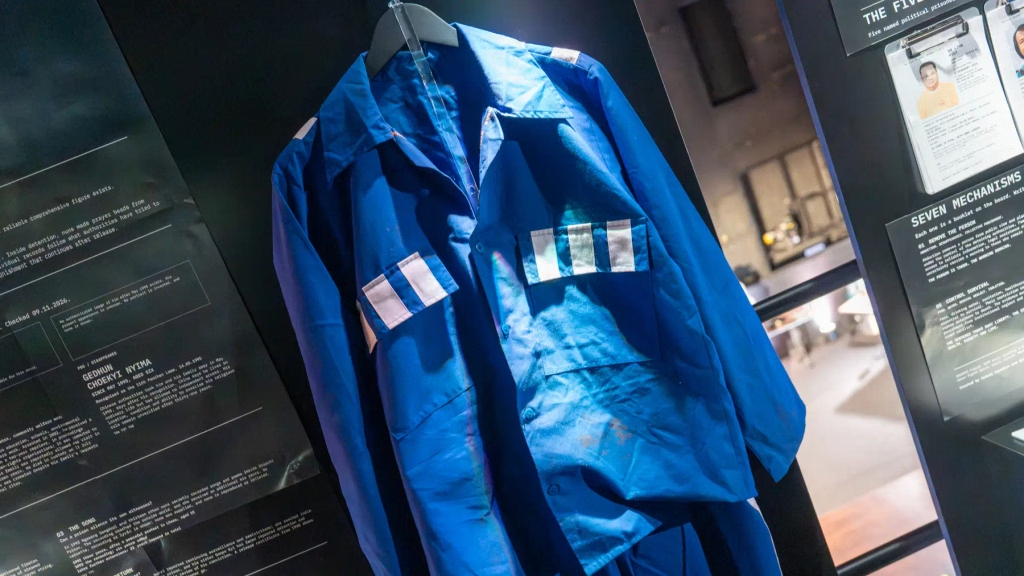
– In other words, it’s not the victims who hide under the prison robe, but the warriors, – said Sannikov. – I remember, at one time I was struck by the story of a Buddhist monk about how they are tortured in Tibet. It was in 1998. I could not have thought then that Lukashenko’s Belarus would approach this level very quickly. I don’t want to measure the degree of human suffering that scum regimes cause people. But I really want these regimes to disappear irretrievably. That’s why we conceived and organized this exhibition so that we could see not only the evil that is done to prisoners, but also the need to fight this evil.
The exhibition “Conscience in Prison Robes” will be held in other European cities and countries after Berlin. There should be more exhibits at the next exhibitions – just like there are more political prisoners in the world.
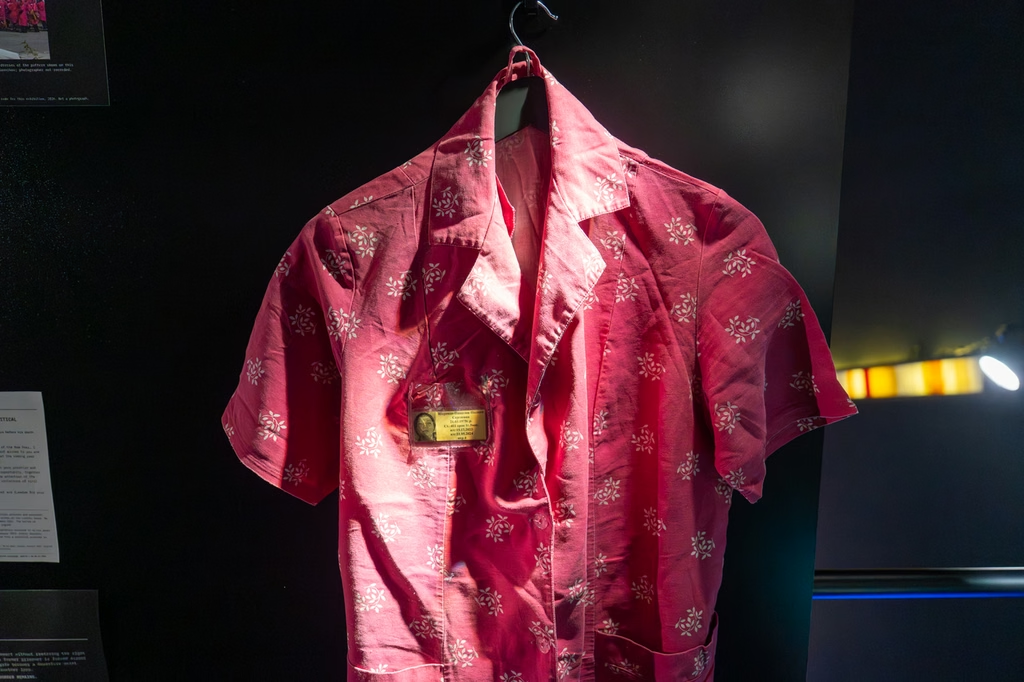
- Belarusian robe
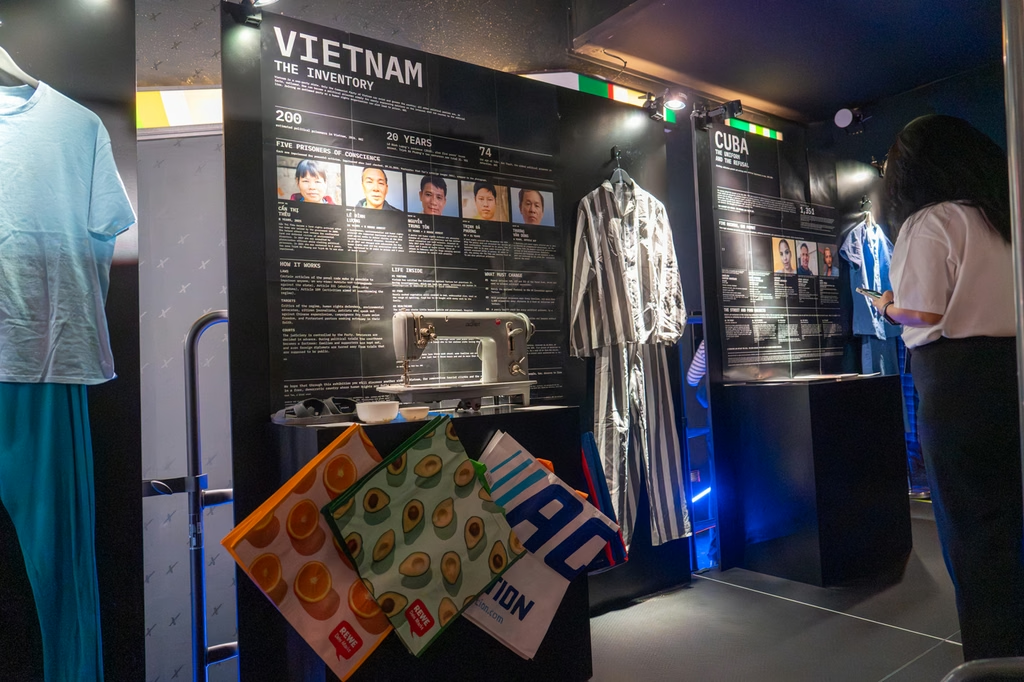
- According to Andrei Sannikov, packages for these European stores are sewn in Vietnamese prisons.
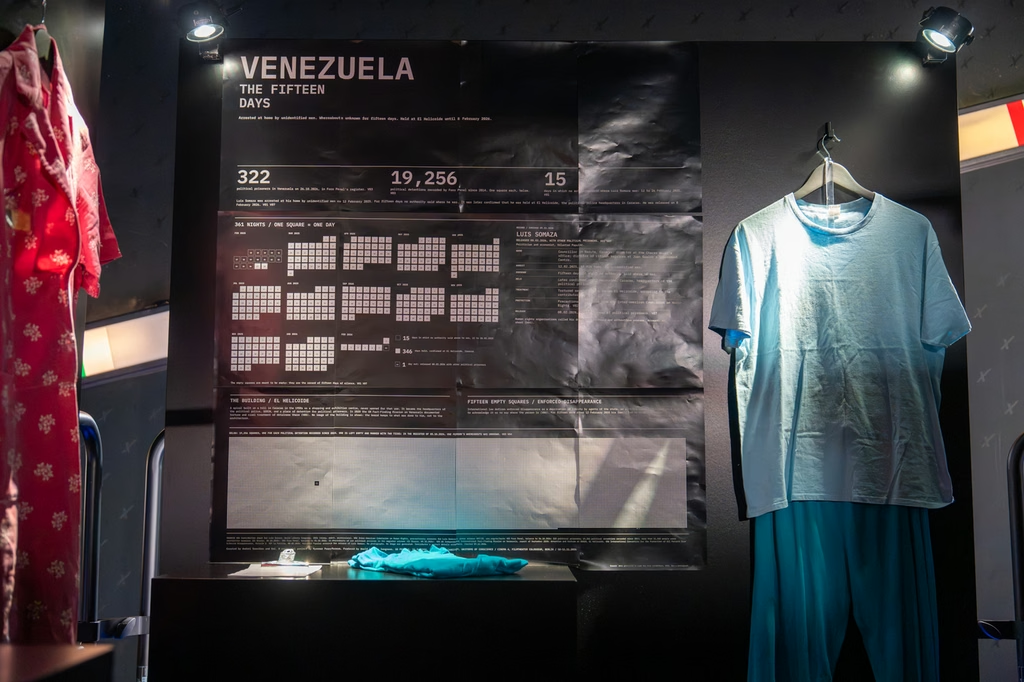
- Stand of Venezuela
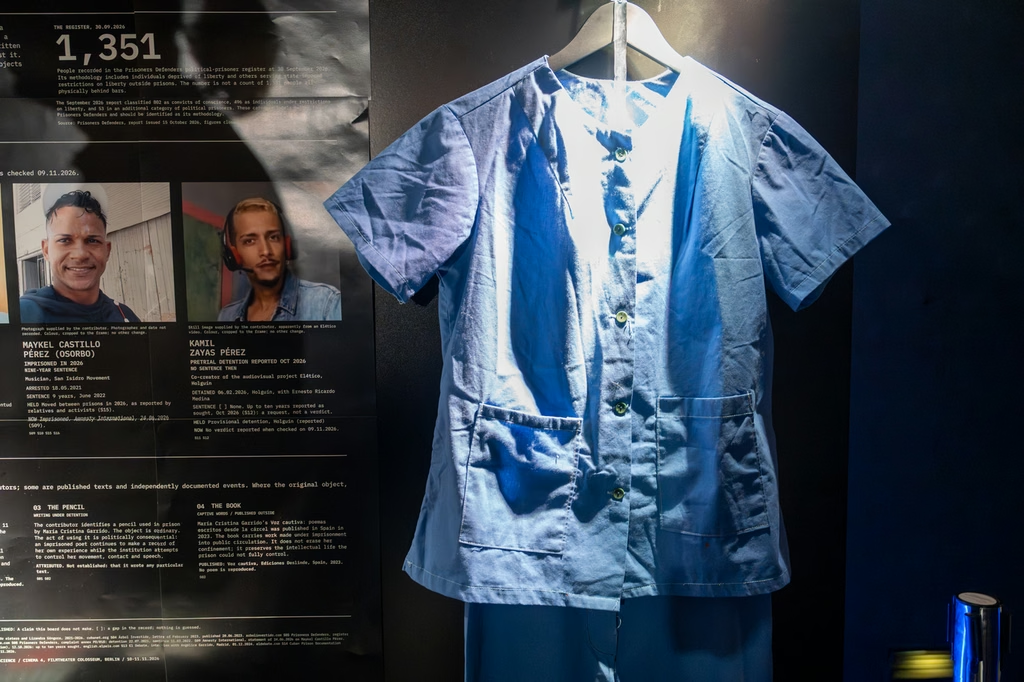
- Cuban prison robe
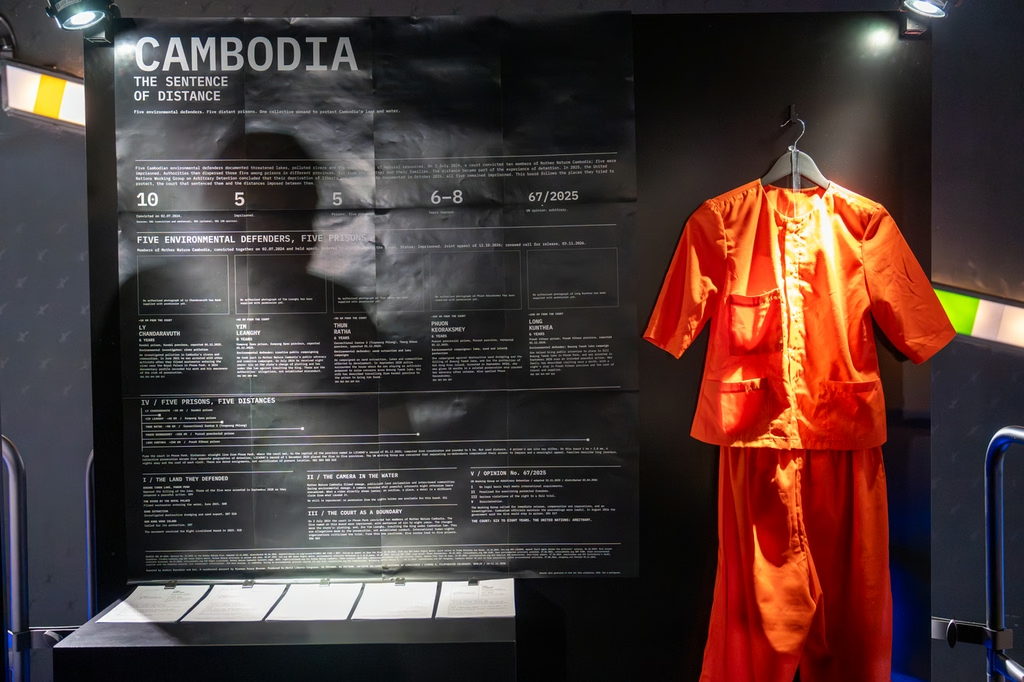
- Stand of Cambodia
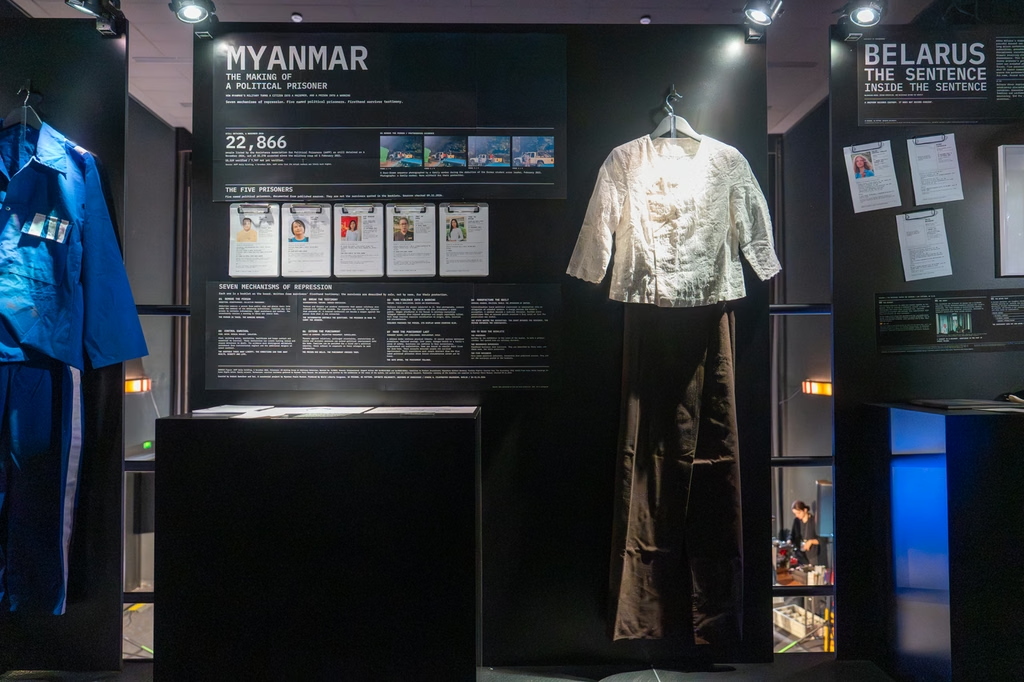
- Myanmar Stand