
By WLC member Elizabete Cuna.
As World Liberty Congress Leadership Council Member Venâncio Mondlane’s trial approaches, President Daniel Chapo and Mozambique’s Supreme Court must understand that the credibility of the country’s democracy, its judicial independence and its international reputation are at stake.
On 17 November 2026, Venâncio António Bila Mondlane, President of ANAMOLA and Member of Mozambique’s Council of State, is scheduled to appear before the Supreme Court in Maputo. His prosecution, arising from the protests following the disputed 2024 elections, represents far more than a legal proceeding against an opposition leader. It has become a defining test of Mozambique’s commitment to democracy, fundamental freedoms and the rule of law.
The message to the Government of Mozambique and the Supreme Court is unequivocal: the world is watching.
Mozambique cannot afford another chapter in which demands for democratic accountability are answered with repression, intimidation or the appearance of politically motivated justice.
Following the disputed October 2024 elections, Mozambique experienced one of the darkest periods in its recent political history. Hundreds of people reportedly lost their lives during the subsequent unrest. Amnesty International, European Union, the U.S Department of State and other organizations documented unlawful use of force by security personnel, arbitrary arrests and serious violations of the right to peaceful assembly. Human Rights Watch has also raised concerns about the failure to ensure accountability for political killings.
On 19 October 2024, Venâncio Mondlane’s lawyer, Elvino Dias, was brutally assassinated in an attack reportedly involving 25 gunshots, as he prepared to challenge the disputed election results. His murder remains a chilling reminder of the dangers faced by those demanding democratic accountability and justice in Mozambique.
These are not matters that can simply be forgotten while an opposition leader faces prosecution.
Justice must be consistent. The deaths of protesters, allegations of abuses by security forces and unresolved political assassinations deserve the same seriousness and determination that the authorities have devoted to prosecuting Venâncio Mondlane.
The question before Mozambique is therefore not merely whether the Supreme Court can conduct a trial. It is whether the proceedings will demonstrate genuine judicial independence, respect for due process and an uncompromising commitment to the law.
The government of Mozambique must recognise that political legitimacy cannot be strengthened by undermining public confidence in the justice system. Its responsibility is to respect the separation of powers and ensure that state institutions operate without political interference.
The Supreme Court, for its part, carries equally profound responsibility. Its judges must decide according to evidence and law, free from government influence, partisan considerations and external pressure of any kind.
A fair trial is not a favour to Venâncio Mondlane. It is a constitutional obligation and a fundamental requirement of justice.
As a global movement uniting pro-democracy leaders, political dissidents, and human rights defenders confronting authoritarianism worldwide, the World Liberty Congress stands in solidarity with Venâncio Mondlane and the Mozambican people in their struggle for freedom, justice, and democratic change.
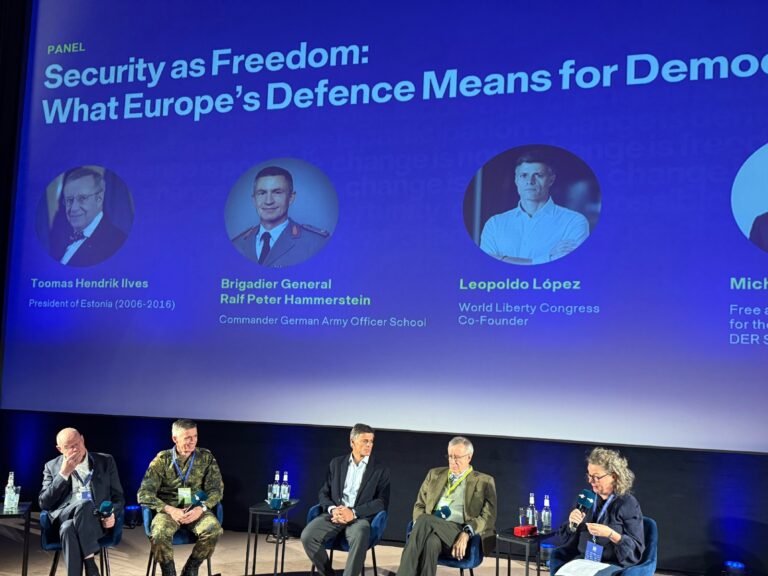
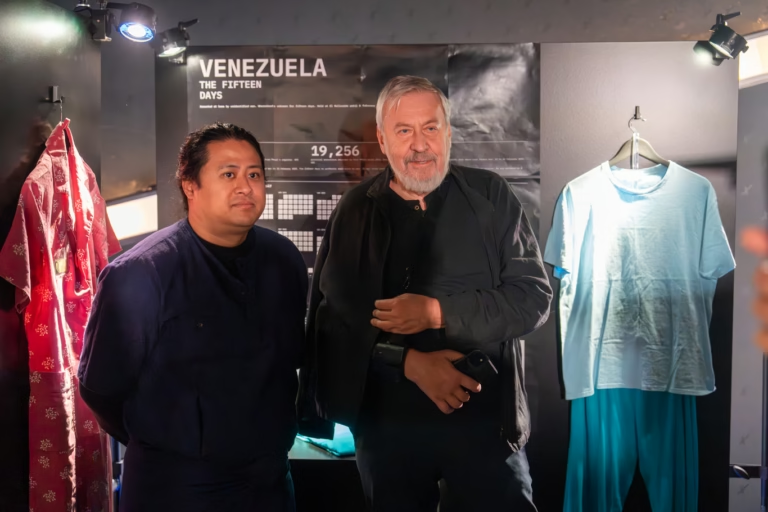
His recent participation in the Berlin Freedom Conference on 10 November 2026, alongside international advocates of democracy and freedom, and fellow WLC Leadership Council members, brought Mozambique’s political situation before a wider global audience. ANAMOLA’s admission as a full member of Liberal International earlier this month has also expanded the party’s connections with an international network committed to liberal democracy.
These developments demonstrate that Mozambique’s democratic struggle is no longer confined to its national borders.
Across international political networks, human rights organisations and democratic forums, Mozambique is attracting attention. Supporters of Venâncio Mondlane see in his leadership a commitment to democratic change, political participation and the right of citizens to determine their country’s future without fear.
That solidarity does not place anyone above the law. Nor does it entitle international observers to dictate a judicial verdict. It does, however, reinforce the importance of a credible, independent and transparent process.
To the Government of Mozambique: the international community will judge your leadership not by the prosecution of political opponents, but by your administration’s respect for fundamental rights, institutional independence and accountability.
To the Supreme Court: this is an opportunity to demonstrate that justice in Mozambique belongs to the Constitution and the people, not to any political party or individual.
The decision to prohibit live audiovisual transmission of the trial has already generated questions about transparency, although journalists and members of the public have been permitted to attend under the conditions established by the Court. These arrangements make independent reporting, meaningful public access and scrupulous respect for the rights of the defence particularly important.
A credible judicial process must allow evidence to be examined, charges to be contested and the presumption of innocence to be fully respected.
The trial must never become a substitute for political dialogue or an instrument for silencing legitimate dissent.
The Mozambican people deserve institutions that protect their freedoms rather than intimidate them. They deserve answers concerning those who were killed, justice for victims and genuine guarantees that political participation will not expose citizens to persecution.
International attention will not disappear when the hearings conclude. The conduct of the proceedings, the evidence presented, the treatment of the defence and the final judgment will all contribute to how Mozambique’s justice system is perceived at home and abroad.
History will remember how Mozambique’s institutions responded at this critical moment. Venâncio Mondlane’s determination to pursue democratic change has drawn attention beyond Mozambique. But the principles at stake are larger than one political leader, one party or one election.
They concern the future of an entire nation.
The World Liberty Congress will continue to stand with Venâncio Mondlane and all Mozambicans demanding democracy, accountability, and freedom.
The world is watching. The Mozambican people are watching. And justice must be allowed to prevail.
Democracy is not a crime. Peaceful dissent is not terrorism. And the pursuit of political change must never be punished merely because it challenges those in power.